
Leading Products For Buried Irrigation Service Professionals
Discover top-rated tools and supplies that ensure efficient and reliable buried irrigation installations and maintenance.
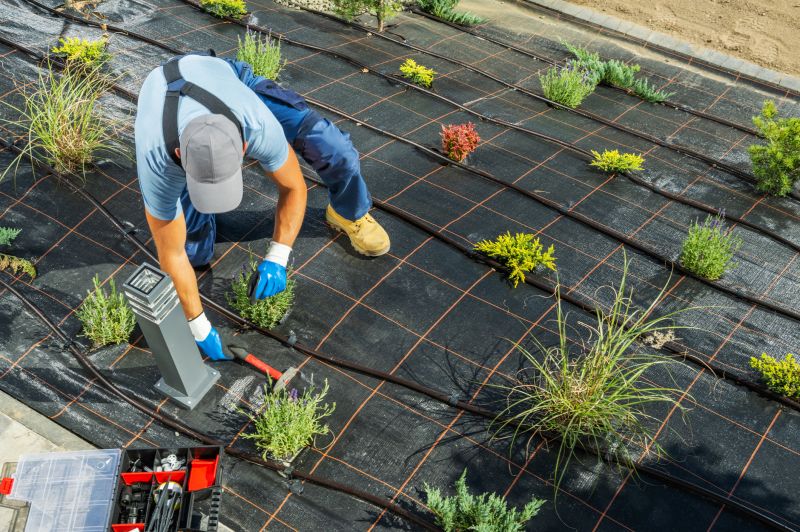 Buried irrigation systems are essential for efficient water distribution across large landscapes, gardens, and agricultural fields. These systems typically involve underground piping, valves, and emitters that deliver water directly to plant roots, reducing water wastage and minimizing surface runoff. Properly installed buried irrigation components can help maintain consistent moisture levels, promote healthy plant growth, and reduce the need for manual watering. Selecting the right products for buried irrigation service involves understanding various components such as piping, emitters, valves, and control systems, each designed to work together seamlessly.
Top Overall Option
Underground Irrigation Pipe System
A comprehensive underground irrigation pipe system offers durable piping, reliable fittings, and compatible emitters designed for underground installation. It provides a solid foundation for efficient water delivery with features that facilitate easy installation and long-term performance. This type of system is adaptable for various landscape sizes and irrigation needs, making it a versatile choice for many applications.
Types of Products For Buried Irrigation Service
PVC Pipe and Fittings
Durable and corrosion-resistant piping options suitable for underground installation, providing a reliable conduit for water delivery.
Flexible Polyethylene Tubing
Lightweight and easy-to-install tubing ideal for custom layouts and tight spaces within buried systems.
Drip Emitters and Micro-Sprays
Water distribution devices designed to deliver precise amounts of water directly to plant roots, suitable for buried drip systems.
Valves and Actuators
Underground valves and electronic actuators that control water flow, often integrated with timers for automation.
Automatic Controllers and Timers
Programmable devices that automate watering schedules, enhancing system efficiency and convenience.
Backflow Preventers
Devices installed underground to prevent contamination of the water supply, ensuring system safety.
Filter Assemblies
Filters that remove debris from water before it reaches emitters, reducing clogging and maintenance.
Pressure Regulators
Components that maintain consistent water pressure within the buried system for optimal performance.
Sleeves and Conduits
Protective sleeves for piping and wiring, facilitating easier installation and future repairs.
Flow Meters
Devices that monitor water flow within the underground system for efficiency and troubleshooting.
Soil Moisture Sensors
Sensors that help automate watering based on soil moisture levels, compatible with buried systems.
Spray Heads and Nozzles
Adjustable nozzles designed for underground installation, delivering water in specific patterns.
Manifold Assemblies
Connect multiple zones of buried irrigation lines, allowing for efficient zone management.
Repair Clamps and Couplings
Fittings designed for quick repairs and connections within underground piping networks.
Drainage Valves
Valves that help manage excess water and prevent system flooding in underground setups.
Electrical Wiring for Controllers
Wiring components that connect automation devices to power sources and control units underground.
Popular Choices
Commonly used fittings for creating secure and leak-proof underground pipe connections.
Flexible tubing designed for precise watering of individual plants or rows, suitable for buried installations.
Valves that automate zone control, often integrated with timers for scheduled watering.
Adjustable heads that pop up from the ground to spray water in targeted areas.
Filters that prevent debris from clogging emitters and spray heads in buried systems.
Devices that help ensure consistent water pressure across buried irrigation zones.
Sensors that assist in automated watering based on real-time soil conditions.
Flexible piping options favored for their ease of installation in underground systems.
Valves that regulate water flow within the buried network for balanced distribution.
Safety devices to prevent water contamination in underground irrigation setups.
Valves used to drain excess water and protect the system from waterlogging.
Automated devices that schedule watering cycles for convenience and efficiency.
Connectors used for repairing or extending underground piping networks.
Adjustable nozzles suitable for underground spray heads, providing targeted coverage.
Distribute water to multiple zones within buried irrigation systems.
The durability and compatibility of materials are crucial considerations when choosing products for buried irrigation. High-quality piping and fittings are designed to withstand underground conditions, resist corrosion, and ensure long-term performance. Emitters and drippers should provide uniform water distribution and be suitable for the specific landscape or crop needs. Additionally, automation options like timers and controllers can enhance system efficiency by allowing scheduled watering without manual intervention.
Installation ease and maintenance are also important factors. Products that are easy to connect, repair, and replace can save time and reduce labor costs over the system's lifespan. Compatibility with existing infrastructure or future upgrades should be considered as well. Proper planning and selection of the right components can lead to a reliable buried irrigation system that performs consistently and requires minimal troubleshooting. Whether for residential lawns, commercial landscapes, or agricultural fields, investing in quality products tailored for underground installation can significantly improve watering effectiveness.
Key Buying Considerations
- Compatibility with existing irrigation infrastructure and future expansion plans.
- Material durability and resistance to underground conditions such as corrosion and pressure.
- Ease of installation, repair, and maintenance to reduce long-term labor costs.
- Appropriate size and flow capacity for the landscape or crop requirements.
- Availability of automation features like timers and sensors for convenience.
- Water pressure requirements and the need for pressure regulation components.
- Quality and filtration capabilities to prevent clogging of emitters and spray heads.
- Flexibility of piping and tubing to accommodate landscape contours and obstacles.
- Compatibility of fittings, connectors, and valves for seamless integration.
- Cost-effectiveness considering both initial investment and long-term operation.
- Environmental factors such as soil type and drainage requirements.
- System scalability to allow future upgrades or additional zones.
- Ease of troubleshooting and access points for repairs.
- Manufacturer reputation and availability of support or replacement parts.
- Compliance with local codes and standards for underground irrigation systems.