Precision Underground Watering Services
Buried irrigation systems are an efficient method for delivering water directly to the root zone of plants, reducing water waste and promoting healthier growth. Proper installation and maintenance of these systems can significantly improve landscape irrigation performance and conserve resources.
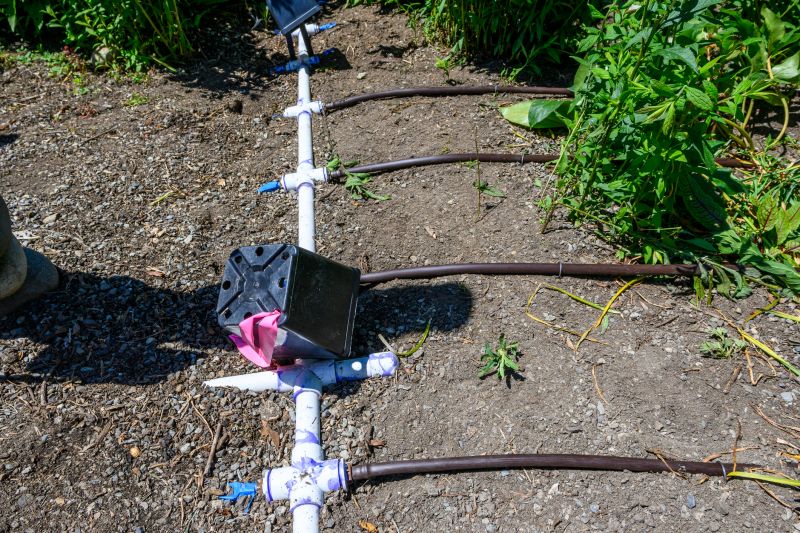
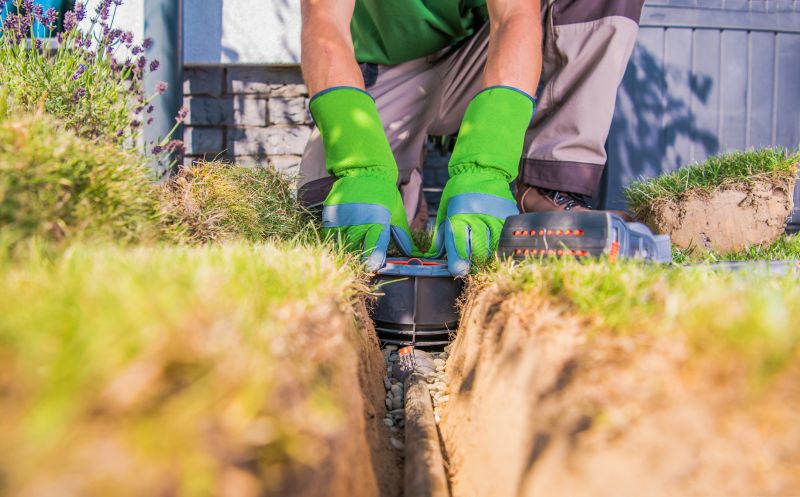
Professional installation involves precise placement of underground pipes to ensure even water distribution across the landscape.
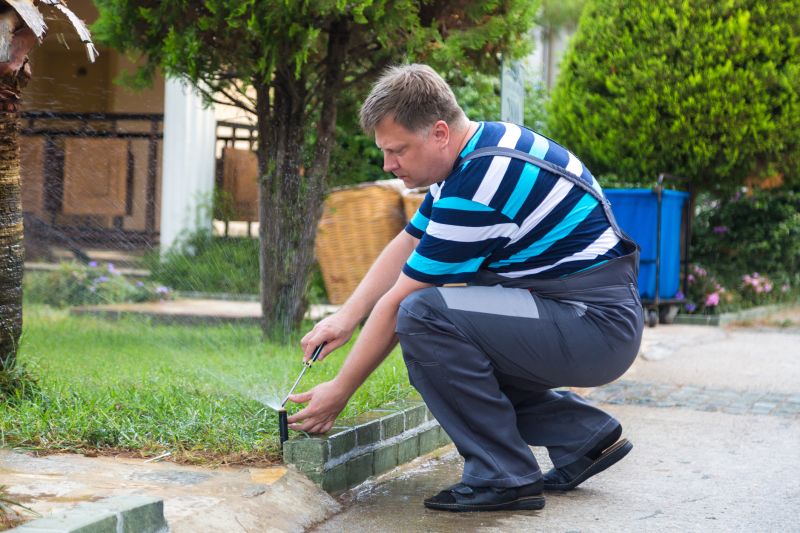
Strategic positioning of sprinkler heads ensures optimal coverage and minimizes runoff.
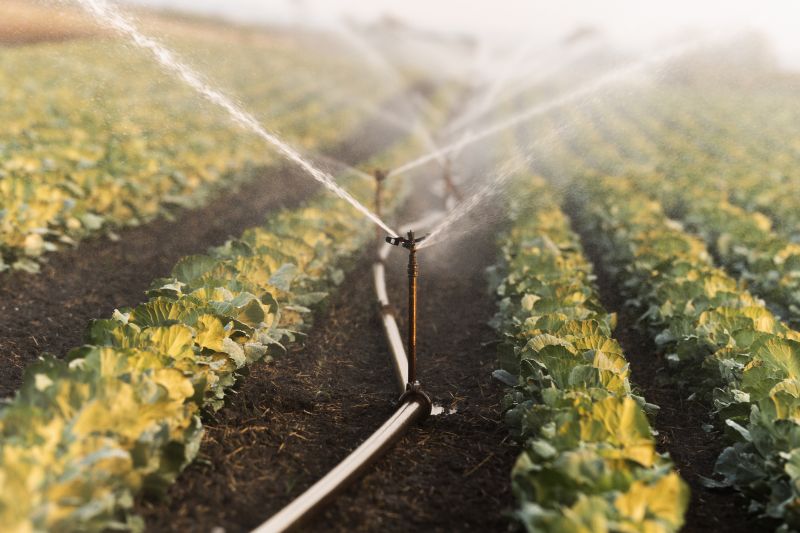
A fully installed buried system provides efficient watering with minimal surface disruption.
The process of installing a buried irrigation system typically involves site assessment, design planning, trenching, pipe laying, and testing. Skilled professionals can complete installations efficiently, often within one to three days depending on the size of the landscape. This ensures that the system functions correctly and reduces the likelihood of future issues.
Hiring a professional for buried irrigation service ensures proper planning, accurate installation, and reliable operation. Experienced technicians understand soil conditions, water pressure requirements, and system components, which helps prevent problems such as leaks, uneven watering, or system failure. Proper installation also extends the lifespan of the irrigation system and maximizes water efficiency.
Buried irrigation systems deliver water directly to plant roots, reducing runoff and evaporation.
Automated systems save time by providing scheduled watering without manual intervention.
Consistent and precise watering promotes healthier, more vibrant landscapes.
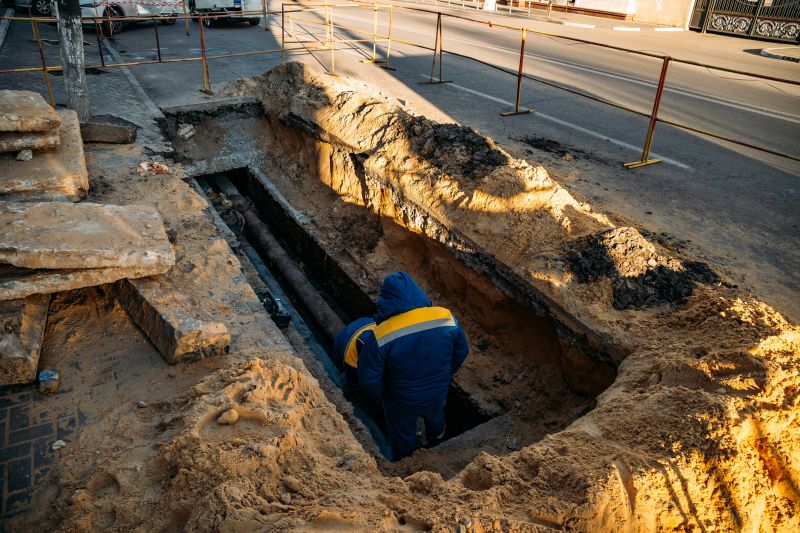
Technicians test the system for proper operation and make necessary adjustments.
The completed buried system with surface cover caps for easy access and maintenance.
Understanding the benefits of professional buried irrigation services can lead to more efficient water use, reduced maintenance costs, and a healthier landscape. Properly installed systems are less prone to damage and require fewer repairs over time, making them a cost-effective investment.