Optimal Timing for Buried Irrigation Service
Determining the optimal time for buried irrigation service depends on seasonal weather patterns and soil conditions. Typically, the best time is during the late dormant season or early spring before active watering begins, allowing for system inspection and repairs without disrupting ongoing irrigation schedules.
Scheduling buried irrigation service in spring ensures systems are ready for the upcoming watering season, reducing the risk of failures during peak use.
Performing service in fall allows for repairs after the growing season and prepares the system for winter protection.
Before planting new landscapes, buried irrigation systems should be inspected and serviced to ensure proper operation.
Off-season scheduling can minimize disruption and often provides more flexible scheduling options.
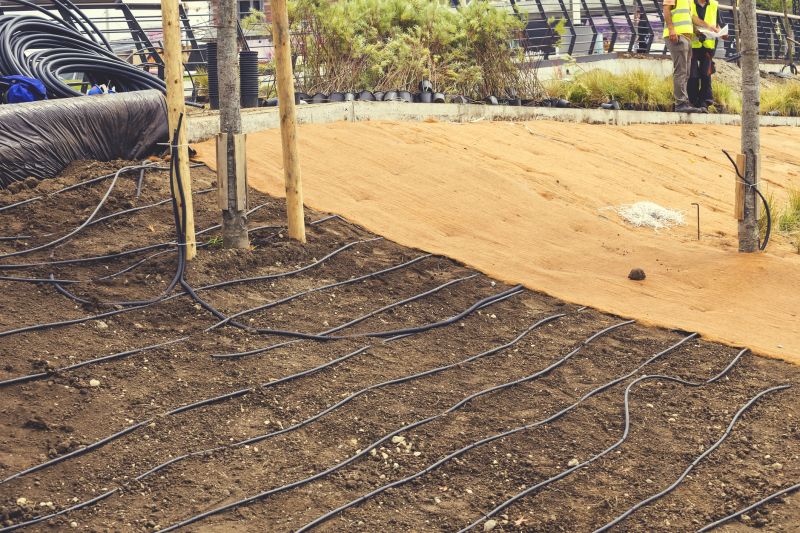
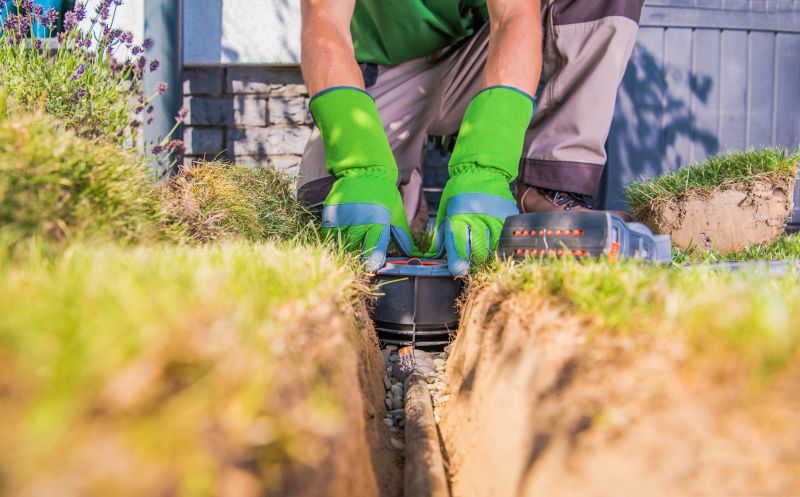
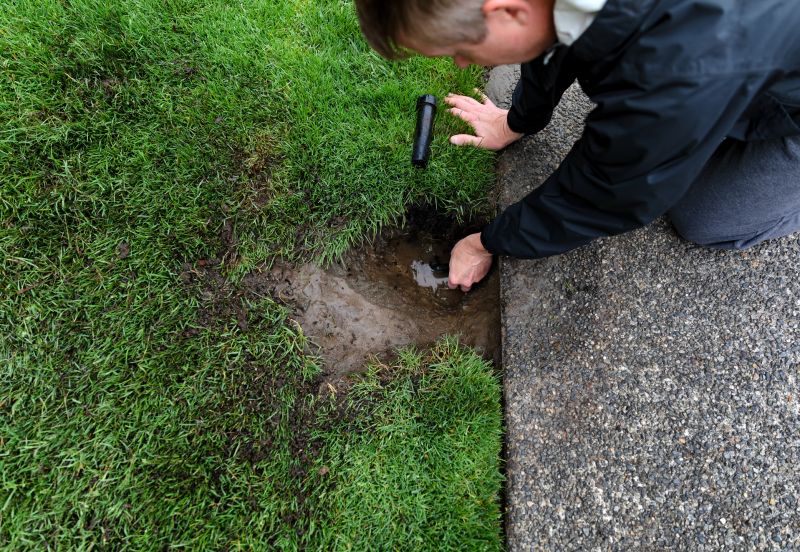
A technician inspecting underground pipes and components.
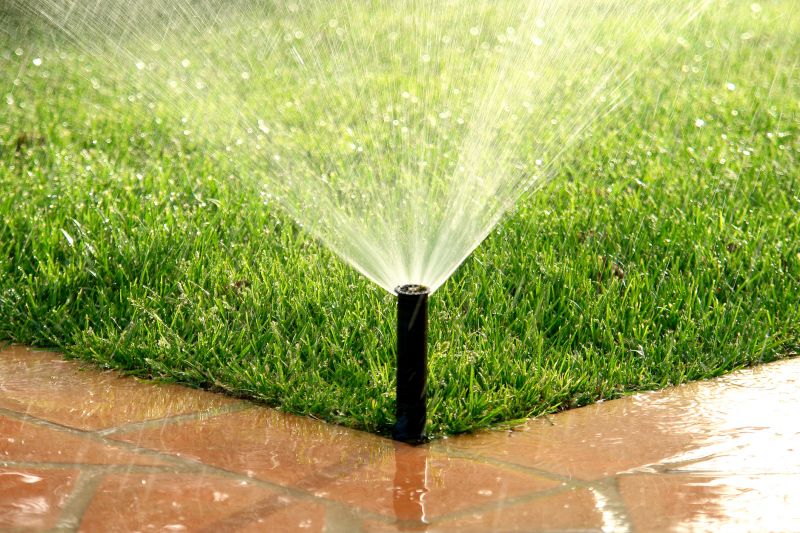
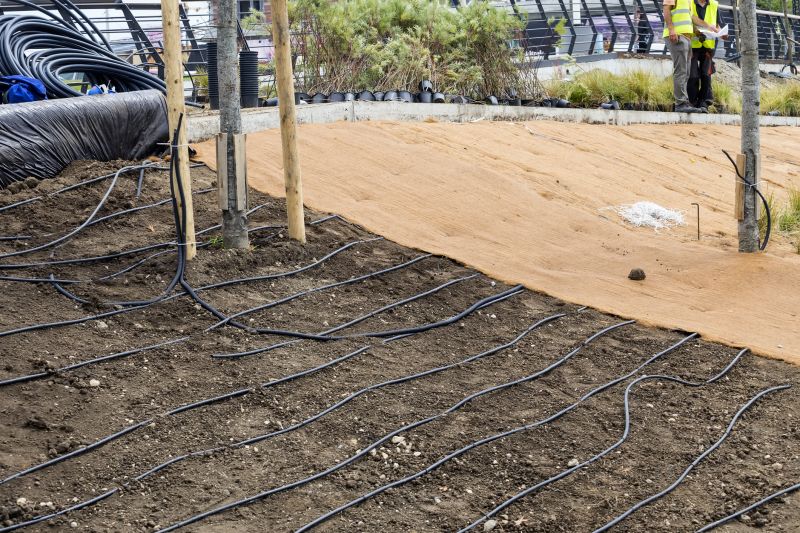
Preparing irrigation lines for the upcoming season.

Performing repairs and winterization procedures.
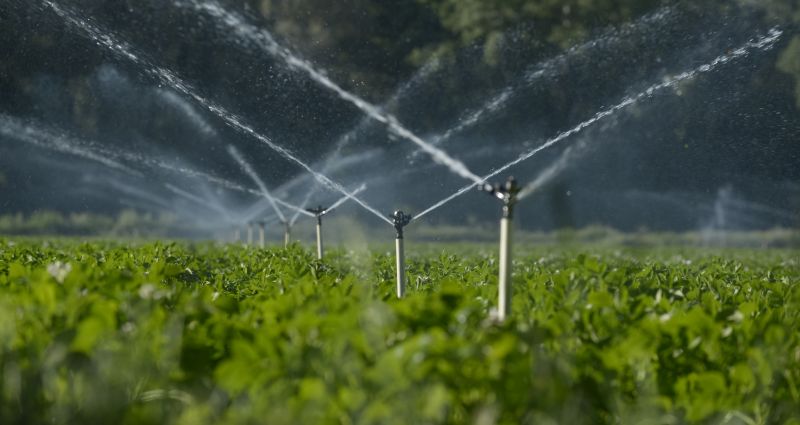
Ways to make Buried Irrigation Service work in tight or awkward layouts.
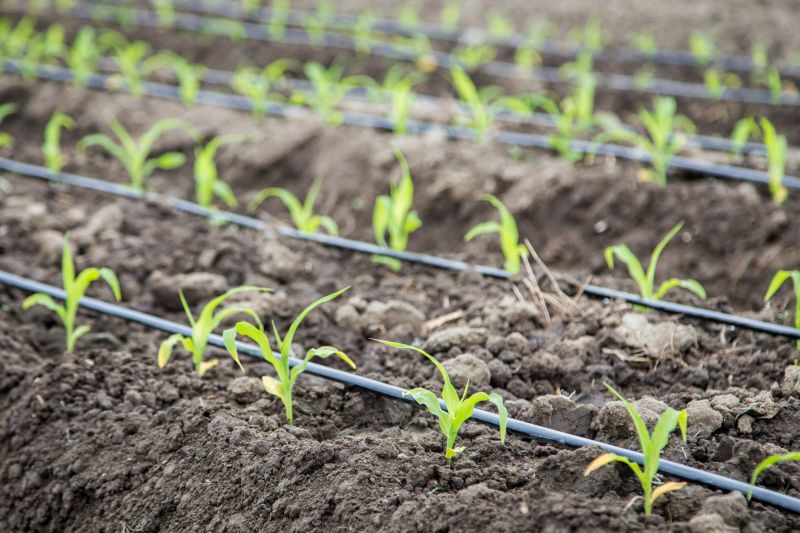
Popular materials for Buried Irrigation Service and why they hold up over time.
Simple add-ons that improve Buried Irrigation Service without blowing the budget.
| Season | Best Practices |
|---|---|
| Spring | Inspect and repair system components before active watering begins. |
| Summer | Limited service; focus on troubleshooting during peak use. |
| Fall | Conduct comprehensive inspections and winterize the system. |
| Winter | Avoid major work; schedule for early spring or fall. |
Buried irrigation service involves inspecting, repairing, and maintaining underground watering systems to ensure efficient operation. Proper timing can extend the lifespan of the system, prevent leaks, and optimize water usage. Regular servicing includes checking for pipe leaks, valve functionality, and system pressure, which are crucial for uniform water distribution. Advanced diagnostics and repairs can identify issues before they lead to costly damage or system failure.
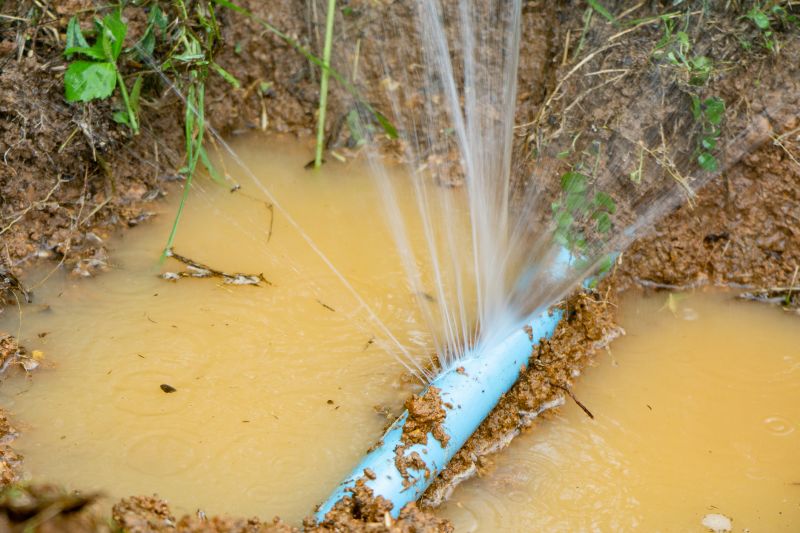
Technician examining buried pipes for leaks.
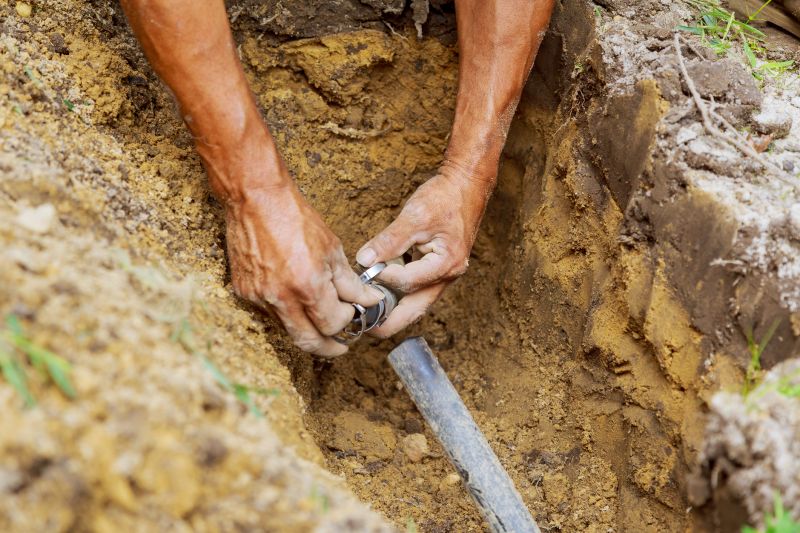
Replacing faulty valves to ensure proper water flow.
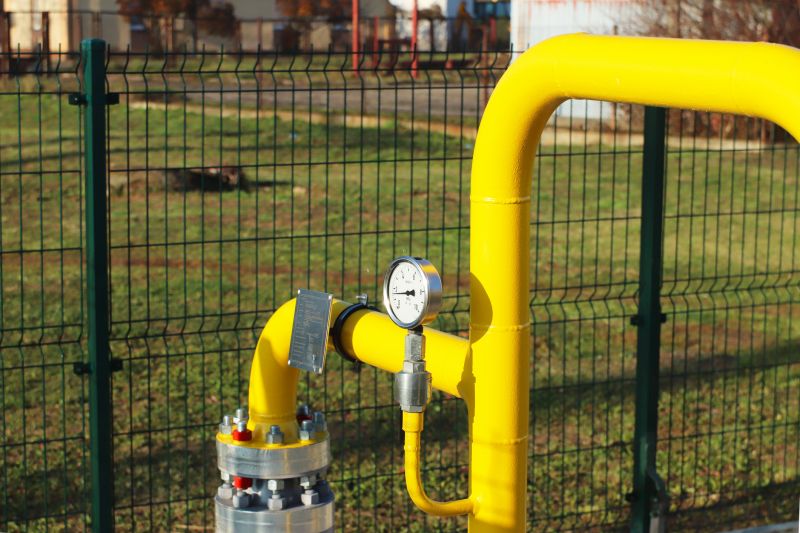
Assessing pressure levels to ensure uniform coverage.
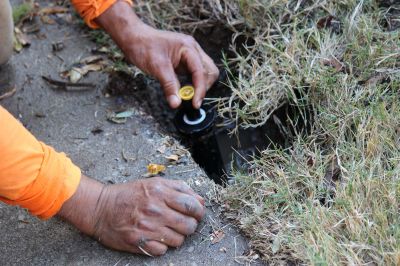
Protecting underground components from freezing temperatures.
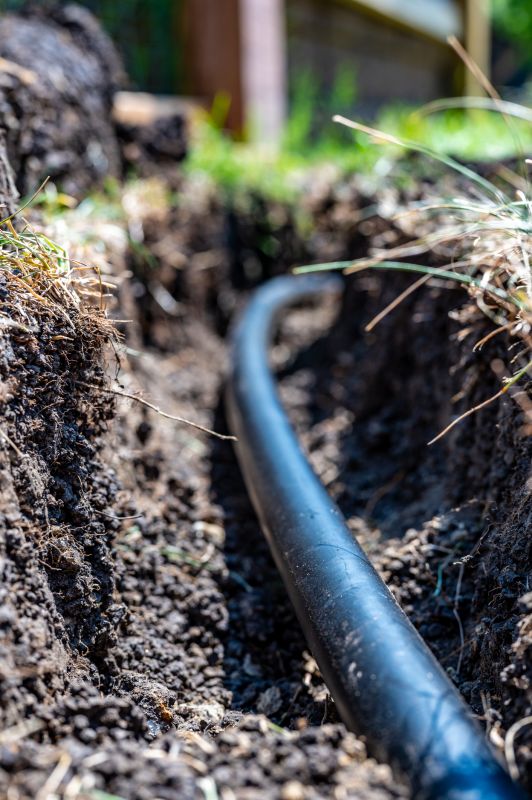
High-end options that actually feel worth it for Buried Irrigation Service.
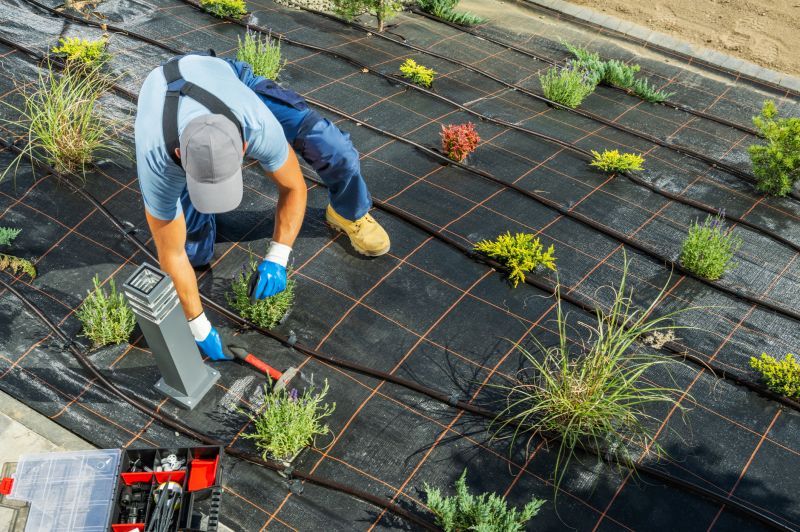
Finishes and colors that play nicely with Buried Irrigation Service.
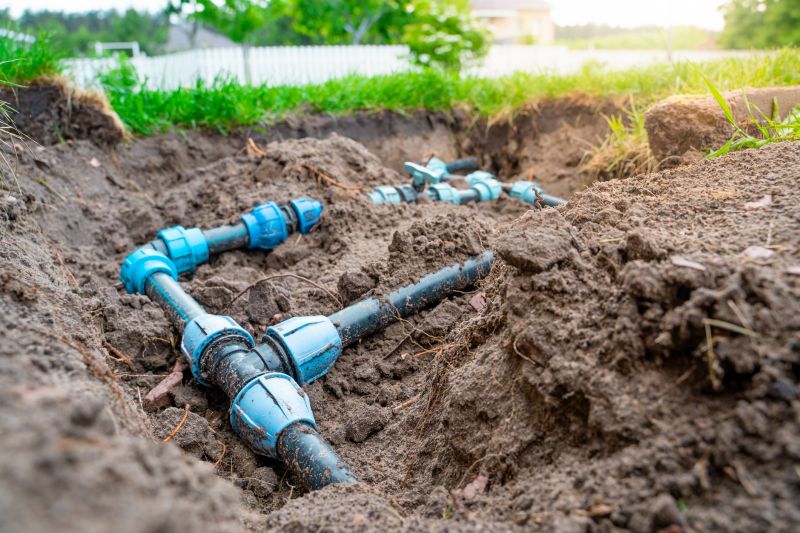
Little measurements that prevent headaches on Buried Irrigation Service day.
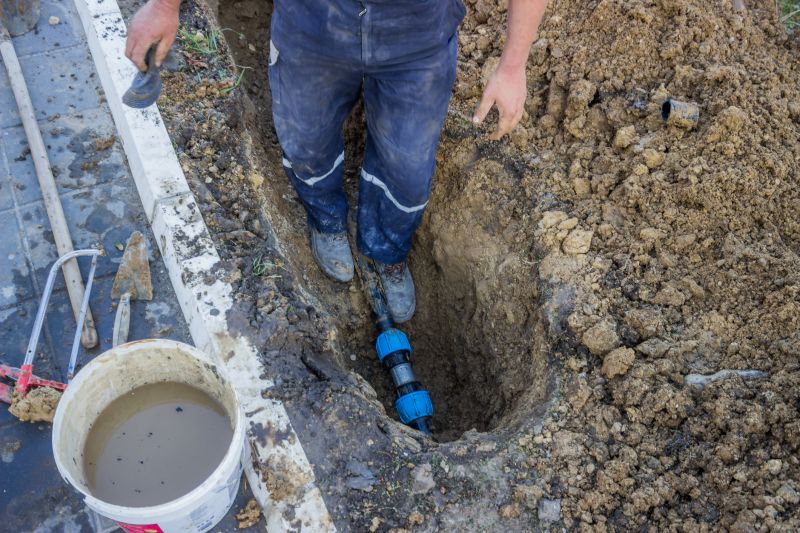
A 60-second routine that keeps Buried Irrigation Service looking new.
Scheduling buried irrigation service at appropriate times enhances system efficiency and longevity. It is advisable to consult local climate conditions and soil moisture levels to determine the most suitable periods for maintenance. Regular servicing can prevent water wastage, reduce repair costs, and ensure the landscape receives consistent irrigation coverage.
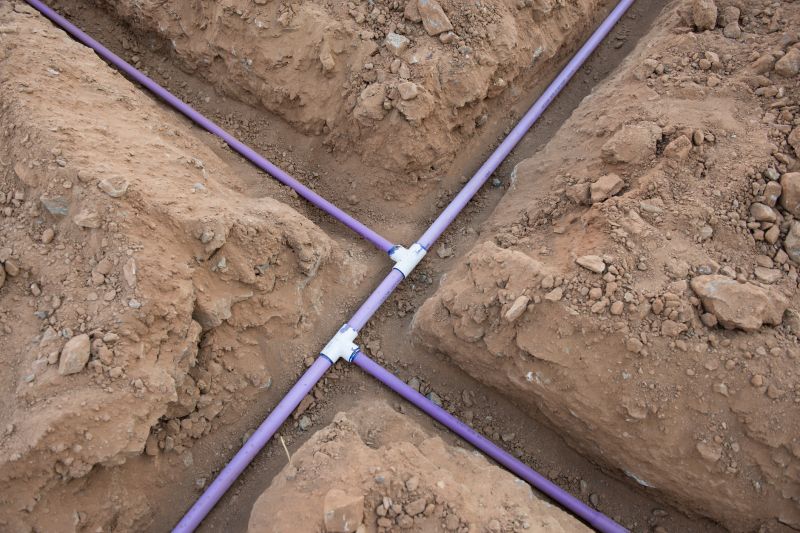
Technicians performing underground system diagnostics.
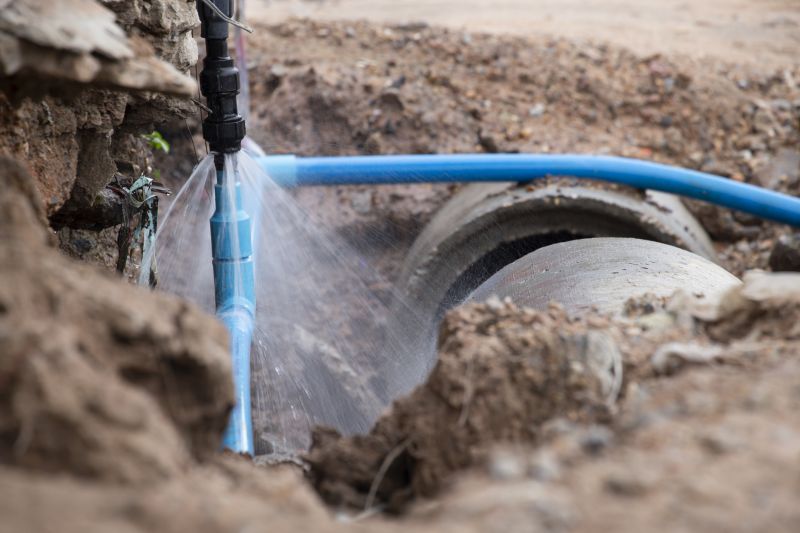
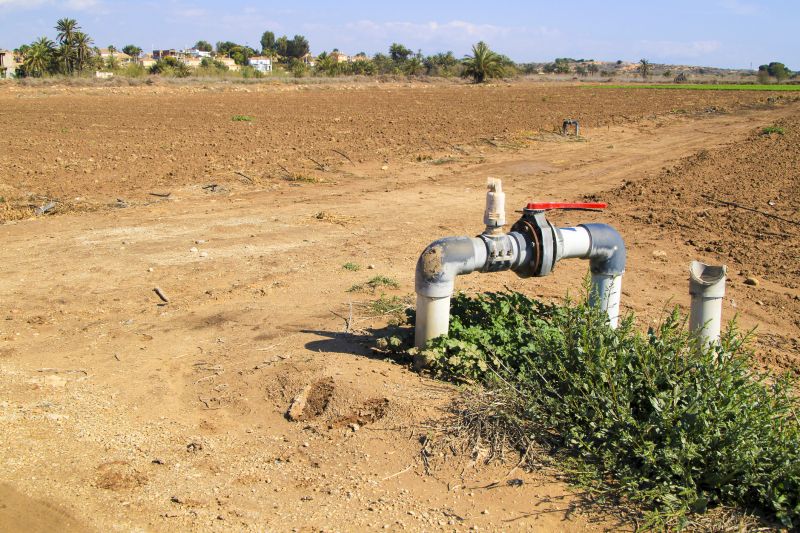
Identifying leaks within underground piping.
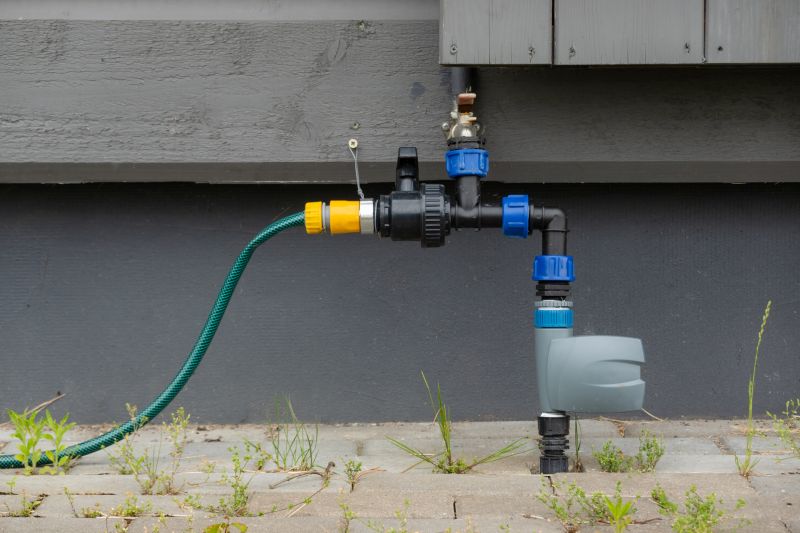
Preparing underground components for winter.
A frequent mistake in Buried Irrigation Service and how to dodge it.
Small tweaks to make Buried Irrigation Service safer and easier to use.
Lower-waste or water-saving choices for Buried Irrigation Service.
Those interested in buried irrigation service should consider scheduling during the off-season or early spring to minimize disruption and ensure system readiness. Proper timing and regular maintenance can significantly improve watering efficiency and reduce operational costs. Contact for more information or to schedule a service appointment.